Logo

Evanston Symphony Orchestra

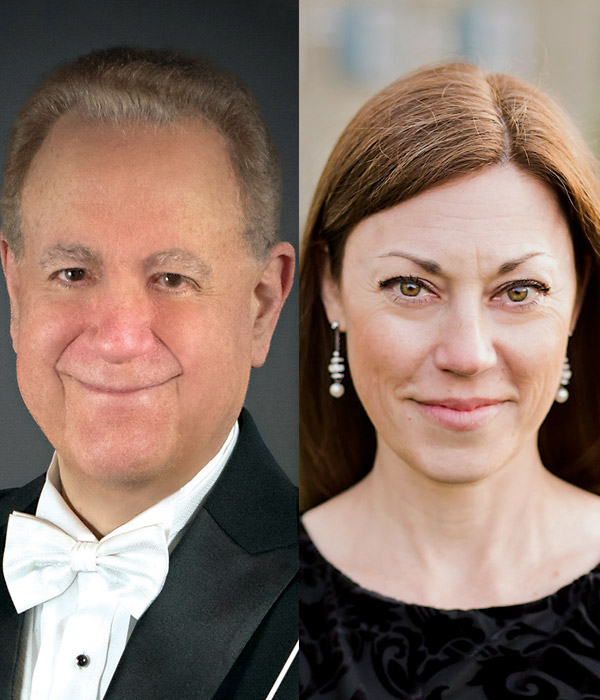
Lawrence Eckerling, Music Director

Announcing Our 2026–2027 Season

For The Love of Music

Subscribe Today

Save up to $50 and get the best seats

Celebrating Beethoven’s Brilliance
Great Romantics
Saint-Saëns Organ Symphony
A Mass for Peace

Musical Insights

Free Pre-Concert Preview Series!

Musical Insights Icon

Enhance your concert experience with a sneak preview — Composers come alive and their passions take center stage when ESO Maestro Lawrence Eckerling takes you on an insider’s tour of the history and highlights behind the music.

Merion’s Crystal Ballroom

529 Davis St, Evanston.
FREE and open to the public.

Please RSVP to 847-570-7815.

Light refreshments will be served and casual tours of apartments will be available after the program.

Latest News

ESO receives generous bequest

The Evanston Symphony Orchestra has received a generous bequest from the estate of Anne Dow Weinberg. Ms. Weinberg regularly attended our concerts and was a good friend of Rick Greene, one of our longest serving French Horn players. Ms Weinberg is now a member of our KeyNote Society.

Young Persons’ concert raises money for District 65 Orchestra Program

The Evanston Symphony Orchestra played a wonderful free concert on May 19 with a finale that included 120 D65 middle school students.

A Choral Work as Symphony

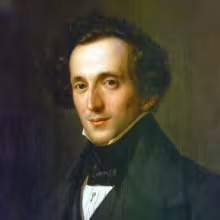
Felix Mendelssohn was a musical prodigy from a very young age. Mendelssohn’s family helped cultivate his talents beyond music, including lessons in literature and painting. He studied piano, which included some travel to Paris with his sister where he took piano lessons.

17th-Century Events, 20th-Century Music

Linda Robbins Coleman is a native of Des Moines, Iowa. A Drake University graduate, Coleman was Composer-in-Residence for Drake Theatre, scoring 35 plays ranging from the ancient Greeks to the moderns from 1977-1997.

Mahler's Monumental First Symphony

Gustav Mahler (1860–1911) wrote his ambitious first symphony while he was a conductor of the Leipzig Opera in Germany in 1888. On the piece’s first page, Mahler wrote wie ein naturlaut, which loosely translates to “as if spoken by nature.”